
Frequency & sound
Most Headphones Let You Hear Sound. Ours Were Designed to Let You Feel It.
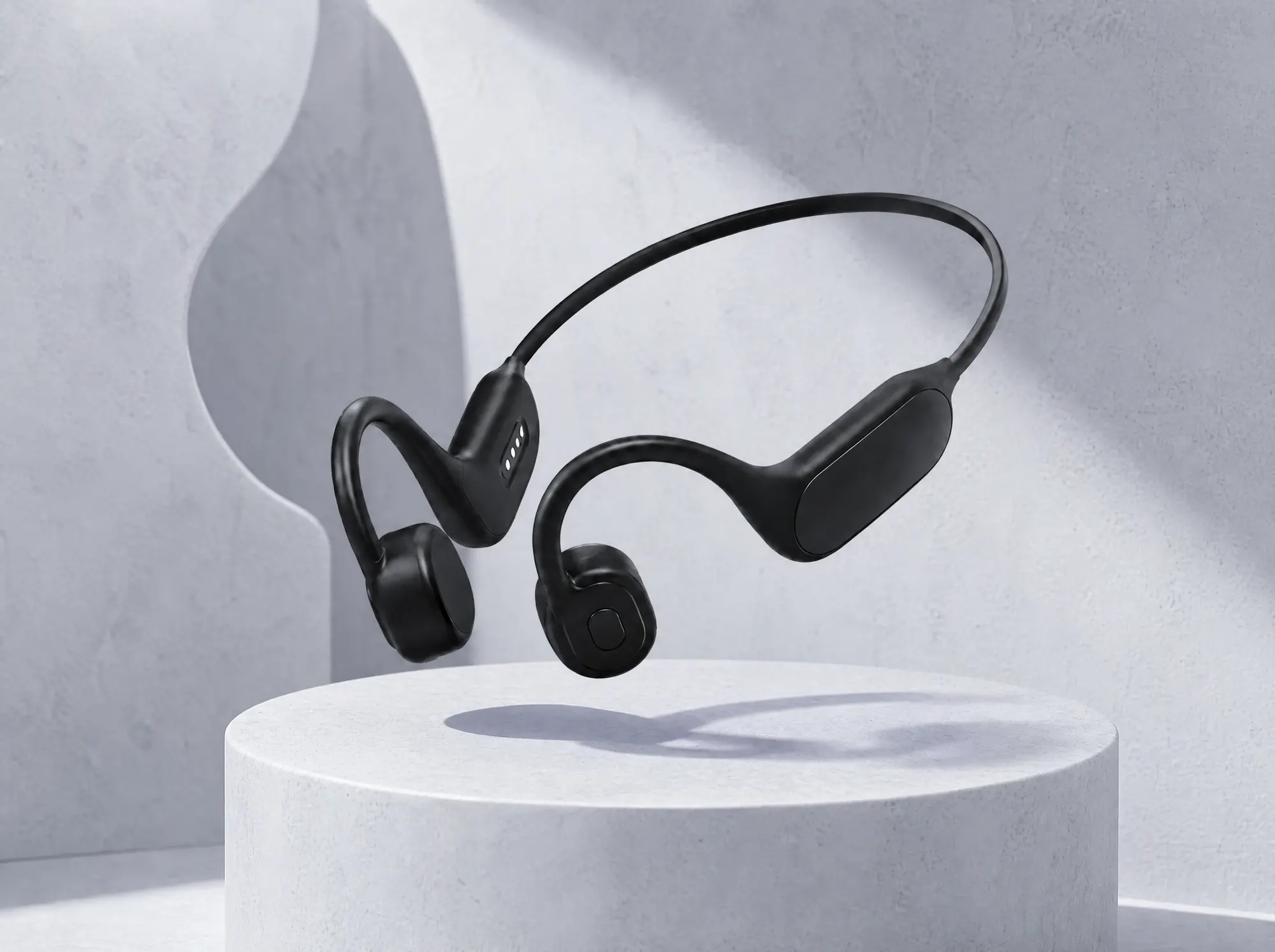
High Frequency Headphones vs Shokz
For decades, headphones have been designed to help us hear better. What if the next evolution is about helping us feel differently?
Most headphones are engineered for entertainment. Better bass, clearer audio, and less distraction.
Even leading bone conduction brands like Shokz have worked to minimize the physical vibrations users feel.
Their OpenRun Pro 2 headphones combine bone conduction with traditional air conduction speakers, directing certain frequencies through speakers to reduce unwanted vibration.
And for music and exercise, that makes perfect sense.
But at High Frequency Highway, we asked a completely different question: What if vibration wasn't something to eliminate, but something to intentionally experience?
1. The Difference Is Something You Can Feel
Traditional headphones deliver sound primarily through speakers that move air toward your ears.
Bone conduction headphones use transducers that convert audio signals into mechanical vibrations transmitted through bone and surrounding tissue.
While most sports-oriented headphones prioritize minimizing noticeable vibration, we intentionally designed ours around it.
Our frequency headphones feature larger bone conduction transducers, optimized with our manufacturer to produce a more noticeable tactile experience.
Instead of simply hearing a generated frequency, you can physically feel the transducer vibrating against your cheekbone.
It's a fundamentally different approach to headphone design.
2. What Does This Have to Do With Your Brain?
Your brain operates through electrical activity, including rhythmic patterns commonly categorized into frequency bands associated with different states:
-
Alpha (8–12 Hz): Commonly associated with relaxed wakefulness.
-
Theta (4–8 Hz): Often observed during drowsiness and certain meditative states.
-
Beta (13–30 Hz): Associated with active thinking and attention.
-
Gamma (30+ Hz): Linked to aspects of complex information processing.
One fascinating area of neuroscience involves binaural beats, an auditory phenomenon discovered in the 19th century.
When your left ear receives a 400 Hz tone and your right ear receives a 410 Hz tone, your brain can perceive a rhythmic 10 Hz beat.
Researchers are exploring whether these auditory patterns can influence brain activity and experiences such as relaxation and attention. Evidence for reliable brainwave entrainment is still mixed, but the phenomenon opens up compelling possibilities for future sound technology.
That's the science we're exploring.
3. We Built an Entire Frequency System, Not Just Headphones
Our headphones work alongside the High Frequency Highway app, which generates customizable audio frequencies in real time.
Unlike relying solely on prerecorded frequency videos, our system lets you select specific frequencies, independently adjust left and right audio channels, and create personalized listening experiences.
Our larger transducers physically reproduce the audio signals, adding a tactile dimension to your listening session. The binaural beat itself is perceived by your auditory system rather than being a separate physical vibration at the beat frequency.
We also designed programmable headphone controls so users can access their preferred frequency experiences with a button press.
The vision is simple: make exploring sound, vibration, and mental states as intuitive as pressing play.
4. The Future of Headphones Is Bigger Than Music
Shokz built an impressive technology for people who want to move while listening.
We built ours for people who want to explore what intentional listening can feel like.
One approach minimizes vibration for comfort. The other makes physical vibration part of the experience.
Neither approach is inherently better. They serve different purposes.
But imagine a future where headphones aren't just for podcasts, calls, and playlists.
Where sound technology becomes a personalized part of your meditation, preparation, relaxation, and daily routines.
Where the experience is about more than what enters your ears.
For years, the industry has asked how to make headphones sound better. We're asking what else headphones can do.
And we believe that question is only the beginning.